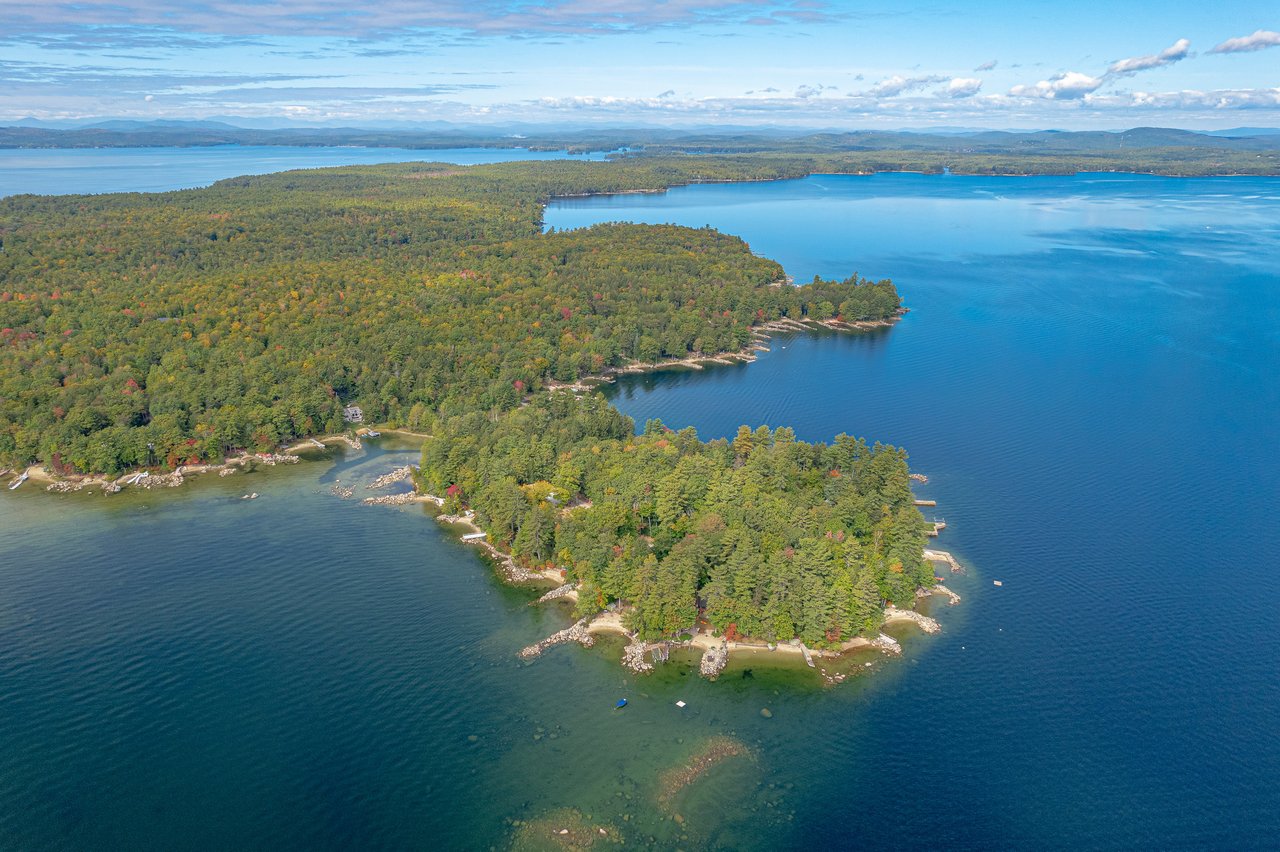
Dreaming of owning a lakefront home in the beautiful Sebago Lake Region is a natural daydream for many but finding the perfect property takes more than just falling for a stunning view. To make sure your new home fits your lifestyle all year round, it's important to ask the right questions before you get too attached. In this guide, I’ll walk you through the key things to consider so your dream doesn’t turn into a headache. Let’s dive in and get you ready to make the smartest choice for your lakefront living.
Why Sebago Lake Region lakefront buying is different
Buying a lakefront property in the Sebago Lake Region means you’re investing in much more than just the house. You’re also paying for the shoreline, water access, docks, stunning sunsets, and sometime privacy. Plus, there are local and state regulations that can influence how you use your property, or how you might be able to expand it in the future.
In Maine, shoreland laws cover land within 250 feet of the normal high-water line of large ponds, rivers, and coastal waters, as well as 75 feet from streams. It’s important to know that local rules can be even stricter than the state requirements, so doing your homework early on is crucial. A quick search for the Maine Shoreland Zoning Handbook provides you with a good start to understanding the general laws.
Fortunately, many towns provide GIS mapping tools that include zoning information and FEMA flood maps. These resources offer a great way to screen potential properties before visiting, helping you avoid wasting time on homes that might not align with your vision.
Confirm what you are actually buying
When it comes to lakefront property, the details on paper are just as important as what meets the eye. Since shoreland boundaries are defined by the normal high-water line, it’s essential to confirm the exact deeded lot lines, where the shoreline actually sits, and whether any beach, dock, or access strips truly belong to the property.
These details can impact everything from your privacy to your plans for the future. A path to the water, a cozy sitting area near the shore, or the spot for a dock might feel like part of the home’s charm, but the deed and permit history reveal the true story.
If any of these features matter to you, don’t hesitate to ask clear, direct questions right from the start. You need to understand what comes with the sale, what is legally approved, and what might require further review or permits down the line.
Check seasonal versus year-round use
One of the most important questions to ask when exploring lakefront homes in the Sebago Lake Region is whether the property is legally and practically suitable for year-round living. A charming seasonal camp might seem like the perfect four-season getaway, but that doesn’t always mean it’s approved or built to function as a full-time home.
In towns like Windham, Raymond, Sebago, Casco, Gray, Naples, and Bridgton, local ordinances specifically require a permit from the Local Plumbing Inspector for converting a seasonal residence into a year-round home. Additionally, Maine CDC wastewater regulations have a dedicated section on seasonal conversions, making it essential to verify this upfront rather than after the fact.
On a practical level, it’s important to know if the home was originally designed for winter use or if it was modified later. Consider heating systems, insulation, water lines, road access, and septic capacity, all of which play a big role in how comfortable and functional the property will be when the temperatures drop.
Questions to ask about year-round use
- Is the home legally classified for seasonal or year-round occupancy?
- Has a seasonal conversion permit ever been issued?
- Are the plumbing, heating, and water systems set up for winter use?
- Was the property built for four-season living or updated later?
- Are there any known limits on occupancy tied to septic capacity or permitting?
Understand septic and wastewater early
On waterfront property, septic is never a side issue. It can affect financing, future renovation plans, occupancy, and your overall cost of ownership.
For first-time residential use in the Sebago Lake Region shoreland zones, a holding tank is not allowed. Subsurface sewage disposal systems must be installed under state rules, and Maine CDC says new, expanded, or replacement systems require a permit, a valid site evaluation, and inspections before backfill.
This means buyers need to look beyond just the presence of a system. It’s important to verify if there’s a permit on record, whether the system has sufficient capacity for current use, and if there’s space for replacement or expansion should your needs evolve. Maine law also mandates that buyers have the septic system inspected before closing, weather permitting, or within nine months after closing.
Septic due diligence checklist
- Confirm the septic permit history
- Ask about system age and current capacity
- Review whether the site has passing soils and required setbacks
- Check if any expansion plans could trigger a new permit
- Have the system inspected by a qualified professional who will also note if any upgrades/repairs may be needed
Docks and waterfront structures need more than a quick glance
A dock can be one of the most appealing parts of a lakefront home. It can also be one of the most misunderstood.
Most municipalities requires Planning Board permits for permanent piers, docks, wharves, bridges, and other structures that extend over or below the normal high-water line or within a wetland. State law also gives municipalities jurisdiction over structures built on, over, or abutting a dock, wharf, or pier.
For you as a buyer, the key question is not just whether a dock exists. You should also confirm whether it is legally existing, whether it is permanent or seasonal, what permit history is available, and whether it conveys with the deed.
To confirm the exact rules and whether you need a seasonal dock permit, you should contact the town office or the local planning or code enforcement department of the specific town on Sebago Lake where you plan to install the dock.
Dock questions worth asking
- Is the dock permitted?
- Is it seasonal, removable, or permanent?
- Are there records for construction or later changes?
- Does the dock fully convey with the property?
- Are there any limits on repairs, replacement, or expansion?
Shoreline clearing may be more limited than you expect
A wide-open lake view can be beautiful, but it may not be easy to recreate or expand. In the first 75 feet from the normal high-water line or wetland edge, Maine DEP says no clear-cut openings greater than 250 square feet are allowed, and vegetation rules limit how much tree volume can be removed over time.
This matters in two ways. First, a property with an unusually open shoreline may already have a permit history or past alterations worth reviewing. Second, your future ability to clear more trees for views, sunlight, or lawn space may be limited.
If the view is a major reason you are considering a property, treat vegetation rules as part of your buying decision. It is better to know what can and cannot be changed before you close.
Test water quality and radon
Many lakefront homes depend on private wells, which are not regulated by the state of Maine. This means the responsibility for well testing and water treatment falls entirely on the property owner.
The Maine CDC recommends annual testing for coliform bacteria, E. coli, nitrates, and nitrites. Additionally, it suggests more comprehensive testing every 3 to 5 years to check for contaminants like arsenic, lead, manganese, radon, and other water-quality concerns. Testing is especially important when purchasing a new home.
Radon also requires careful attention. Maine advises taking action if indoor air levels reach 4 pCi/L or water levels hit 4,000 pCi/L. For home sales, radon testing and any required mitigation must be conducted by a registered radon service provider.
Environmental checks to line up
- Private well water testing
- Indoor air radon testing
- Water radon testing when appropriate
- Review of any existing treatment systems
- Follow-up quotes if mitigation or treatment is recommended
Don’t skip flood map review
Even lakefront properties located inland can be vulnerable to flooding. The official source for flood hazard maps is FEMA’s Flood Map Service Center that provides the most up to date maps.
Checking the flood map early on can help you determine if a property sits within a Special Flood Hazard Area. This information is important because it can impact insurance requirements, financing options, and how comfortable you feel with potential future risks.
It’s easy to overlook this step when the water view is such a big part of the attraction, but taking the time to review flood risks is one of the simplest ways to avoid unexpected surprises later in your home-buying journey.
Build the right waterfront buying team
Lakefront homes truly reward those who plan carefully and having the right team by your side can help you move from excitement to confidence without missing any critical details. When it comes to buying on the water, it’s especially valuable to work with a buyer’s agent who not only has waterfront experience but is also a lake owner themselves. Their personal understanding of lakeside living brings insights that go beyond the usual real estate knowledge.
A strong waterfront buying team typically includes this kind of seasoned buyer’s agent, along with a home inspector who knows the unique challenges of lake homes, a licensed site evaluator or septic engineer, an accredited private well lab, a registered radon tester, a surveyor, and contractors experienced in docks, drainage, winterization, and shoreland regulations.
Each professional plays a key role in solving a different part of the puzzle. Together, they provide a comprehensive view of how the property works today and what it might need to keep your lakefront dream thriving well into the future.
A smart Sebago Lake Region lakefront buying strategy
The best lakefront purchases come from striking the right balance between emotion and careful due diligence. It’s natural to fall in love with the stunning setting, but it’s just as important to feel confident about the property’s systems, permits, shoreline features, and long-term usability.
Before making an offer, focus on some key questions: Is the home designed for seasonal or year-round living? Does the septic system meet your needs? Is the dock properly permitted and included with the sale? Is the shoreline vegetation in compliance with regulations? Are there any flood zone concerns? Can I add on to the home or add an accessory dwelling?
Answering these questions early on lets you move forward with greater peace of mind especially in a market where unique lakefront properties can spark quick interest.
If you’re thinking about buying a lakefront home in the Sebago Lake Region, partnering with a knowledgeable advisor who truly understands waterfront living can make the entire process feel much more manageable. To plan your next move with confidence, schedule a consultation with me. Sandra Wendland.
FAQs
What should you verify before buying a lakefront home in Windham?
- You should confirm shoreland zoning, lot lines, deeded shoreline rights, dock status, septic permitting, flood map location, and whether the home is seasonal or year-round.
Can you convert a seasonal lake home in Windham to year-round use?
- It’s possible, but you’ll need to check the municipality’s ordinance, as converting a seasonal residence to a year-round home requires a permit from the Local Plumbing Inspector. It’s also important to review wastewater regulations early in the process.
Do docks need permits?
- Yes, permanent piers, docks, wharves, bridges, and similar structures in certain shoreline or wetland areas require Planning Board permits under Windham’s ordinance.
What water tests should you get for a lakefront home?
- Maine CDC advises testing a private well when buying a home, with annual testing for coliform bacteria, E. coli, nitrates, and nitrites, plus broader testing every 3 to 5 years.
Why does septic matter so much for a waterfront property?
- Septic capacity and permitting can affect occupancy, future renovations, and replacement options, and Maine requires permits, site evaluation, and inspections for new, expanded, or replacement systems.
Should you check FEMA flood maps for inland lakefront property?
- Yes, flood exposure can affect insurance and financing, and Windham’s GIS resources link to FEMA flood maps for local review.