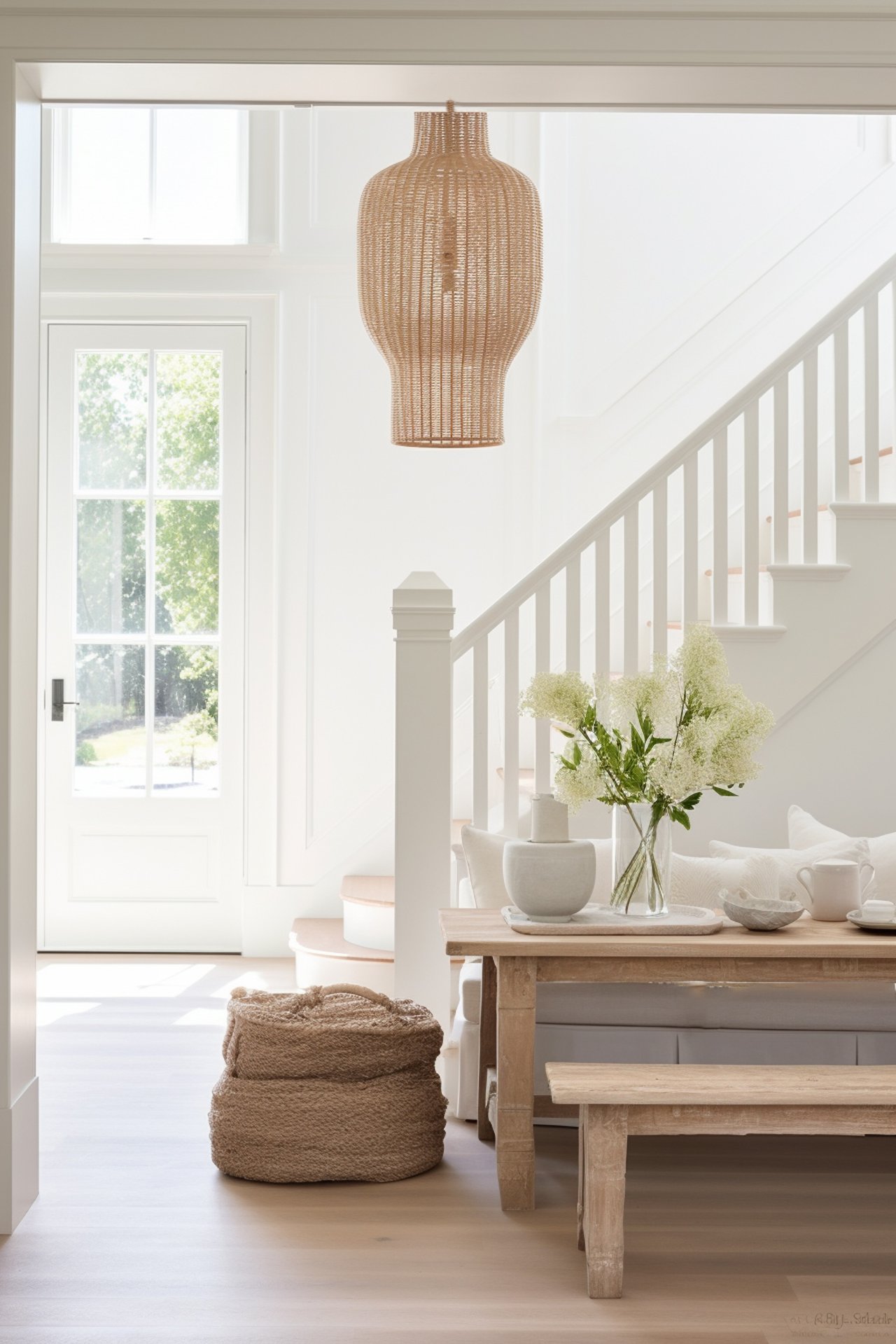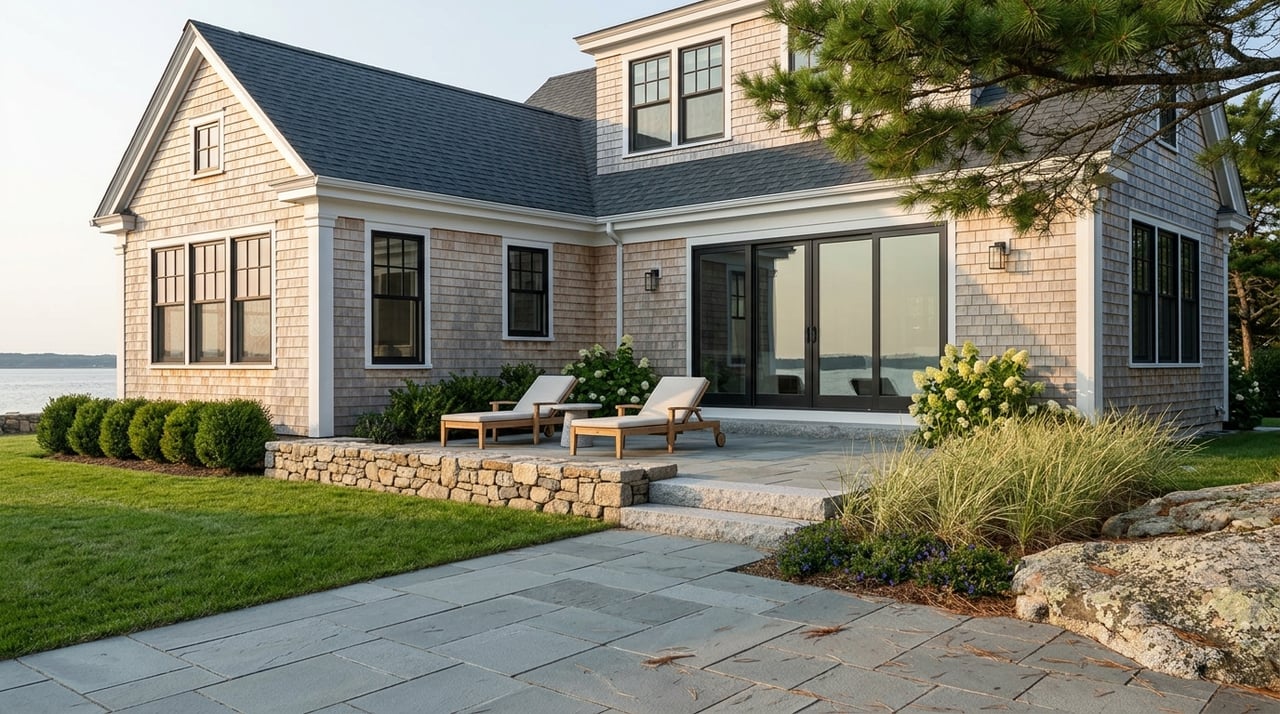
Are you dreaming about a Maine town where the coast feels woven into everyday life, not reserved for vacation weekends? If you are considering Yarmouth, you are likely looking for more than a house. You are looking for a setting that balances village charm, marine access, and practical convenience. This guide will help you understand what coastal living in Yarmouth really looks like so you can decide whether it fits the life you want to build. Let’s dive in.
Why Yarmouth Feels Distinct
Yarmouth offers a coastal lifestyle with a strong sense of place. The town’s comprehensive plan describes the Village as Yarmouth’s social and civic center, with Main Street businesses and restaurants, historic buildings, schools, Royal River Park, and close-knit residential areas all shaping daily life.
That village identity matters when you are choosing where to live. Yarmouth is not simply a bedroom community with water nearby. Its planning documents describe it as an authentic historic New England village, which helps explain why the town feels grounded, walkable in key areas, and connected to its past.
Coastal Access Is Part of Daily Life
In Yarmouth, coastal living is more than a scenic backdrop. The town sits in Casco Bay and has seven public marine water access points, along with four public fishing access locations. For many buyers, that means the water is not just something you admire from a distance. It can become part of your routine.
The Town Landing at the end of Old Shipyard Road is the primary public harbor access point. According to the town, it includes launching ramps, docks, 58 moorings, and parking for trailered vehicles. If you enjoy boating, fishing, kayaking, or simply being near a working waterfront, that kind of access can be a major draw.
Yarmouth also has an active working-waterfront and aquaculture presence around Town Landing and Even Keel Road. That gives parts of town a more functional, lived-in coastal character rather than a purely resort-like feel.
Village Living and Local Culture
If you picture coastal Maine as both charming and active, Yarmouth supports that image in a practical way. Main Street and the Village area serve as gathering points for everyday errands, dining, community events, and seasonal traditions.
Town planning documents highlight local events such as the Clam Festival and the Art Festival, along with arts-and-music activity on Main Street. These details may seem small at first, but they shape how a town feels when you actually live there. Instead of a place that goes quiet outside summer, Yarmouth offers a civic and cultural rhythm that continues throughout the year.
Getting Around in Yarmouth
Walkability Near the Core
Yarmouth has a more foot-friendly feel than many buyers expect. The town’s trail map notes that sidewalks, quiet streets, and off-road paths help make the community feel accessible on foot, especially near the village core.
The comprehensive plan also sets a long-range goal of having a park or publicly accessible natural area within a 10-minute walk or bike ride of every neighborhood. That tells you something important about the town’s priorities. Access to open space and daily movement is part of how Yarmouth wants to grow.
Driving Still Plays a Major Role
At the same time, Yarmouth is still a car-oriented town in many ways. The comprehensive plan reports that about 87% of residents commute outside town, and 76% drive alone. Only small shares of residents use transit, bike, or walk for commuting.
For you as a buyer, this means Yarmouth can offer a village feel without fully replacing the need for a car. If you want to be close to Main Street, trails, or the waterfront, location within town will matter.
Commuting to Portland
For buyers who work in or around Portland, Yarmouth can be a realistic option. METRO BREEZ provides daily express bus service between the Portland Transportation Center, Yarmouth, Freeport, and Brunswick.
That service adds flexibility for commuters who want coastal surroundings but regular access to Portland. It may not replace driving for everyone, but it does expand your options.
What Homes in Yarmouth Look Like
One of Yarmouth’s strengths is architectural variety. The town’s design manual documents a wide mix of house styles, including Colonial, Georgian, Federal, Greek Revival, Gothic Revival, Italianate, Second Empire, Richardsonian Romanesque, Colonial Revival, Craftsman, and Ranch.
That range gives buyers real choice. You may find an older in-town home with historic character, a classic New England exterior near the village, or a later-era home in a more residential neighborhood. Yarmouth is not defined by one single housing style, which makes the search more interesting but also more nuanced.
The housing stock still leans heavily toward detached homes. The town reports 3,859 total housing units, including 2,490 detached units and 302 attached units, with smaller shares in low-rise apartment buildings. It also reports that 75.9% of occupied units are owner-occupied.
Different Areas, Different Lifestyles
Yarmouth offers a few distinct lifestyle patterns, and understanding those differences can help you focus your search.
In-Town and Village Areas
Homes closer to the Village often offer stronger walkability, historic character, and easier access to Main Street and community amenities. If you value a connected daily routine and want to be closer to Yarmouth’s civic center, these areas may feel especially appealing.
Harbor and River-Oriented Areas
Riverfront or harbor-facing pockets tend to offer stronger marine access and a more pronounced waterfront feel. For buyers drawn to boating, working-waterfront activity, or a stronger connection to Casco Bay, these locations can offer a different kind of lifestyle.
Rural Edges
The more rural parts of Yarmouth may offer more land and privacy. The tradeoff is that they usually involve more driving, and the town notes that sewer and water infrastructure can be more limited outside downtown and some other developed areas.
This is one of the most important practical considerations in Yarmouth. Two homes in the same town can offer very different day-to-day experiences depending on where they sit and what infrastructure serves them.
What the Market Looks Like
Yarmouth is a sought-after market, and current pricing reflects that. Zillow reports an average home value of $766,141, a median list price of $1,060,833, and 23 active for-sale listings. Redfin reports a median sale price of $768,000 for the three months ending May 2026, up 22.8% year over year.
Current listing snapshots also show a broad range of price points. Realtor.com data includes homes at the lower end in the high-$300,000s to mid-$400,000s, such as a $399,900 condo and a $460,000 new-construction condo at 298 Main Street. At the same time, many homes are listed in the mid-$600,000s to upper-$700,000s, with several single-family homes above $1 million and coastal estates reaching much higher.
That spread can be encouraging if you want options, but it also means strategy matters. Inventory is limited, and pricing varies widely based on location, home style, condition, and water influence.
Town housing committee data also shows why affordability remains a local issue. In January 2025 reporting, the town cited a 2024 typical home value of $719,131 and a five-year median sale price of $869,900 for all home types, along with a persistent gap between local incomes and housing costs.
Key Tradeoffs to Weigh
Every coastal town has its tradeoffs, and Yarmouth is no exception. The good news is that the tradeoffs here are relatively clear once you know where to look.
Here are a few of the biggest ones to keep in mind:
- Village convenience vs. privacy: In-town areas often offer walkability and character, while outer areas may offer more space and separation.
- Marine access vs. price: Harbor-facing and coastal properties can deliver a stronger waterfront lifestyle, but that often comes at a premium.
- Historic charm vs. newer layout preferences: Older homes may offer architectural appeal and central locations, while newer homes may align better with buyers seeking more modern layouts.
- Developed infrastructure vs. rural limitations: Downtown and some developed areas have sewer and water service, while more rural pockets may require closer review of utility availability.
When you think through these tradeoffs early, you can search with more confidence and avoid comparing homes that support very different lifestyles.
Why Local Guidance Matters in Yarmouth
Yarmouth can look straightforward on the surface, but the details matter. A village home, a waterfront property, a condo, and a rural-edge house each come with different questions about lifestyle, value, and long-term fit.
That is especially true if you are relocating or balancing multiple priorities at once. You may be comparing commute options, walkability, water access, architectural character, and infrastructure in the same search. Having a clear plan helps you sort through those variables and focus on the homes that truly match your goals.
For buyers considering coastal Southern Maine, this is where experienced guidance becomes valuable. A thoughtful advisor can help you evaluate not only what is available, but also how each option fits the way you want to live.
If you are exploring Yarmouth and want a clear, tailored view of the market, Sandra Wendland offers experienced guidance for coastal, village, luxury, condo, and relocation moves across Greater Portland and Southern Maine.
FAQs
What is coastal living like in Yarmouth, Maine?
- Coastal living in Yarmouth means access to Casco Bay, seven public marine water access points, public fishing access, and an active working-waterfront presence, all within a town that also has a strong village center.
What is the Town Landing in Yarmouth, Maine?
- The Town Landing is Yarmouth’s primary public harbor access at the end of Old Shipyard Road, with launching ramps, docks, 58 moorings, and parking for trailered vehicles.
Is Yarmouth, Maine walkable?
- Parts of Yarmouth, especially near the village core, feel walkable thanks to sidewalks, quiet streets, and off-road paths, though many residents still rely on cars for commuting.
Can you commute from Yarmouth, Maine to Portland?
- Yes, many residents commute outside town, and METRO BREEZ provides daily express bus service between Portland, Yarmouth, Freeport, and Brunswick.
What kinds of homes are in Yarmouth, Maine?
- Yarmouth has a broad mix of home styles, including Colonial, Federal, Greek Revival, Craftsman, Ranch, and other traditional and later-era residential forms, with detached homes making up a large share of the housing stock.
How expensive is Yarmouth, Maine real estate?
- Current market data shows Yarmouth is an expensive market, with reported average and median values in the mid-$700,000s and above, limited inventory, and some listings ranging from condos in the high-$300,000s to coastal estates in the multi-million-dollar range.
What should buyers compare when choosing a home in Yarmouth, Maine?
- Buyers should compare walkability, access to Main Street, marine access, privacy, architectural style, commute needs, and whether sewer and water infrastructure are available in the area they are considering.