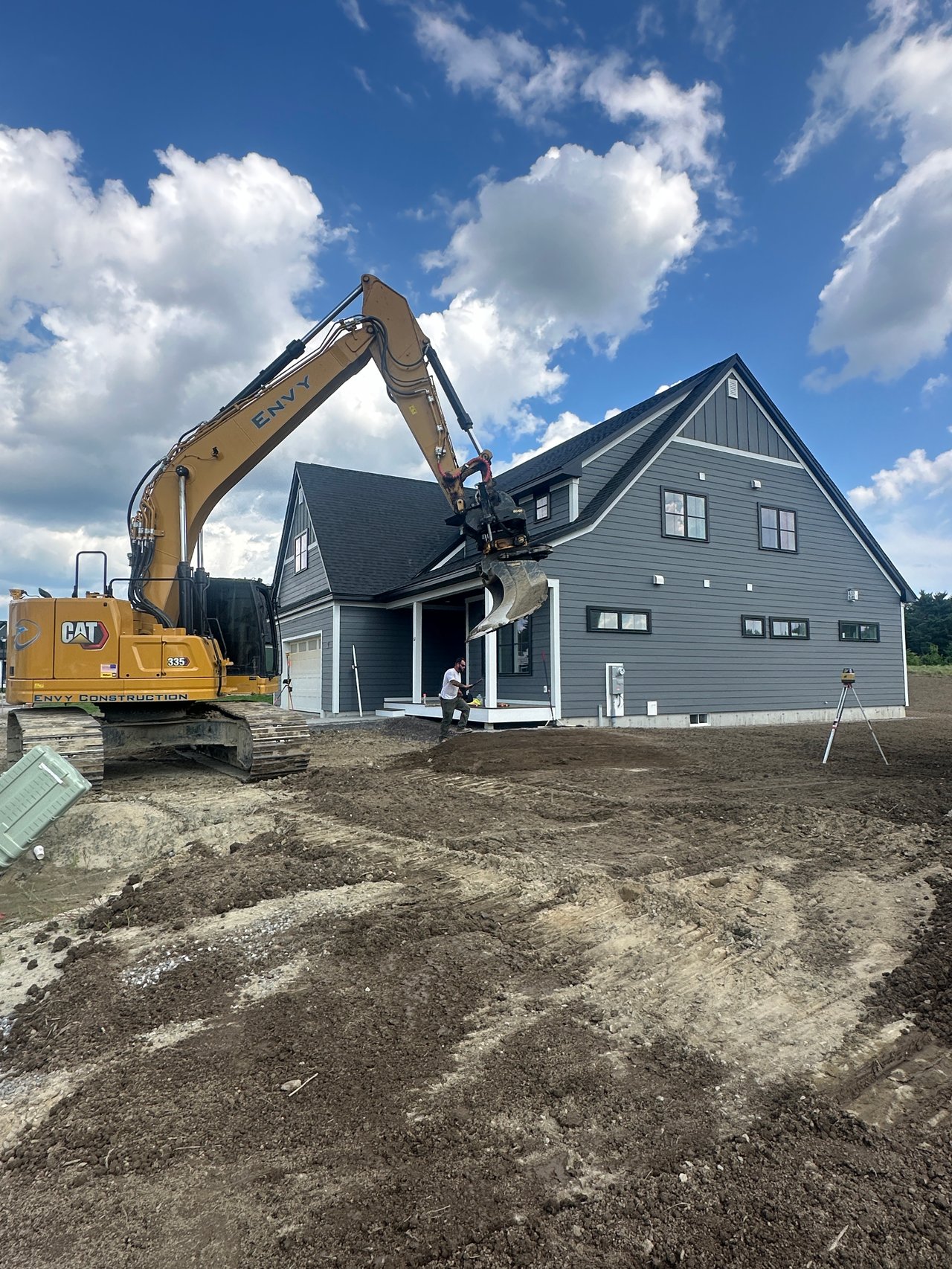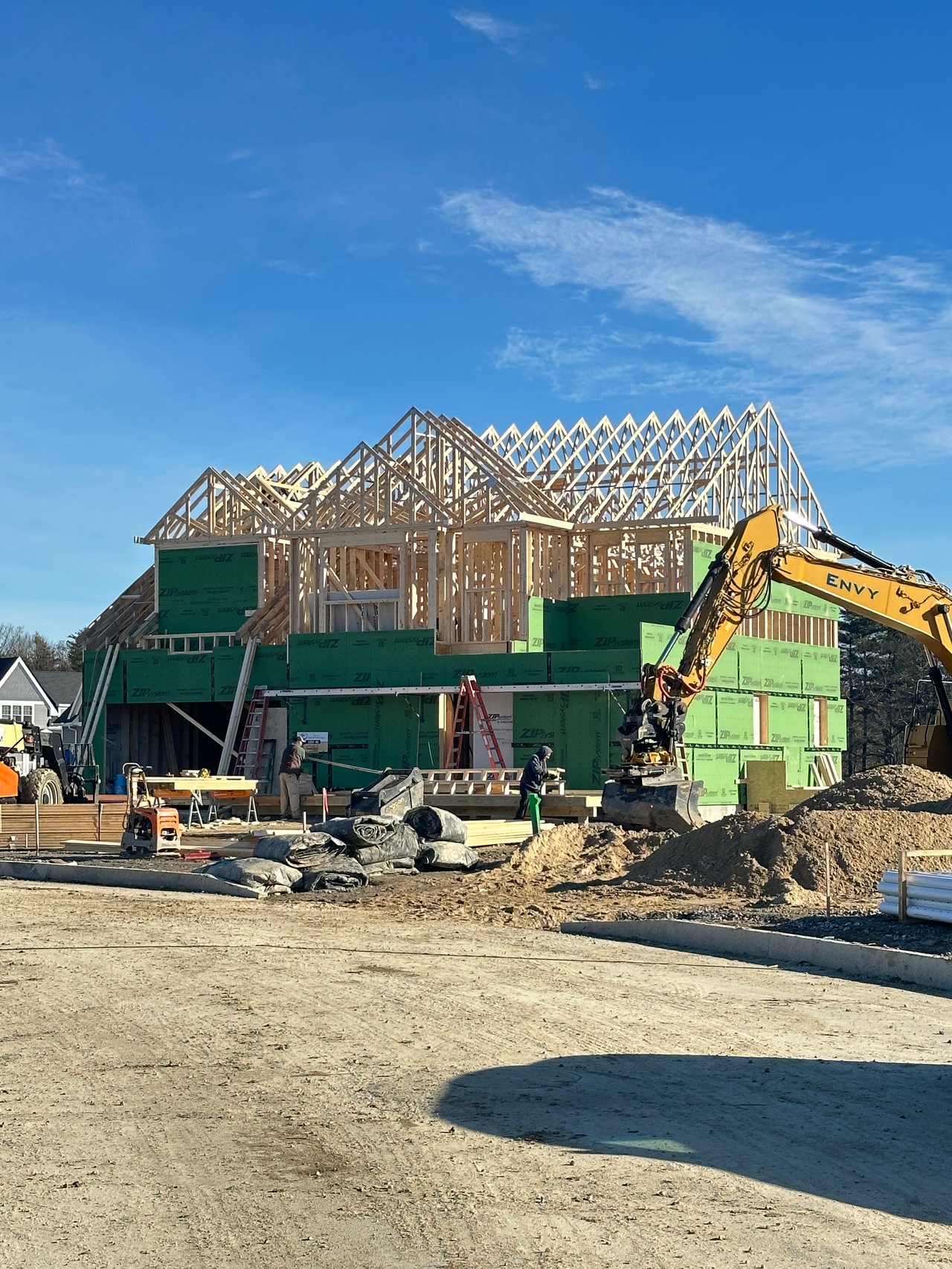
Buying New Construction in the Greater Portland Maine Area
Buying new construction in the Greater Portland Maine Area can be exciting, but it can also feel like a moving target. After more than 20 years working with developers and builders with new construction projects, I can tell you this: no two projects are exactly alike, and the details matter.
Some buyers assume new construction means simple. In reality, it may mean a finished spec home, a home that is still under construction, a phased neighborhood, a condo development, or a property that is still working through permits and approvals. If you want to buy with confidence, it helps to understand the process, know what questions to ask, and make sure you are protected before you commit.
What New Construction Can Look Like Here
The Greater Portland Maine Area offers a wide range of new construction opportunities. Depending on the town, neighborhood, and builder, you may find:
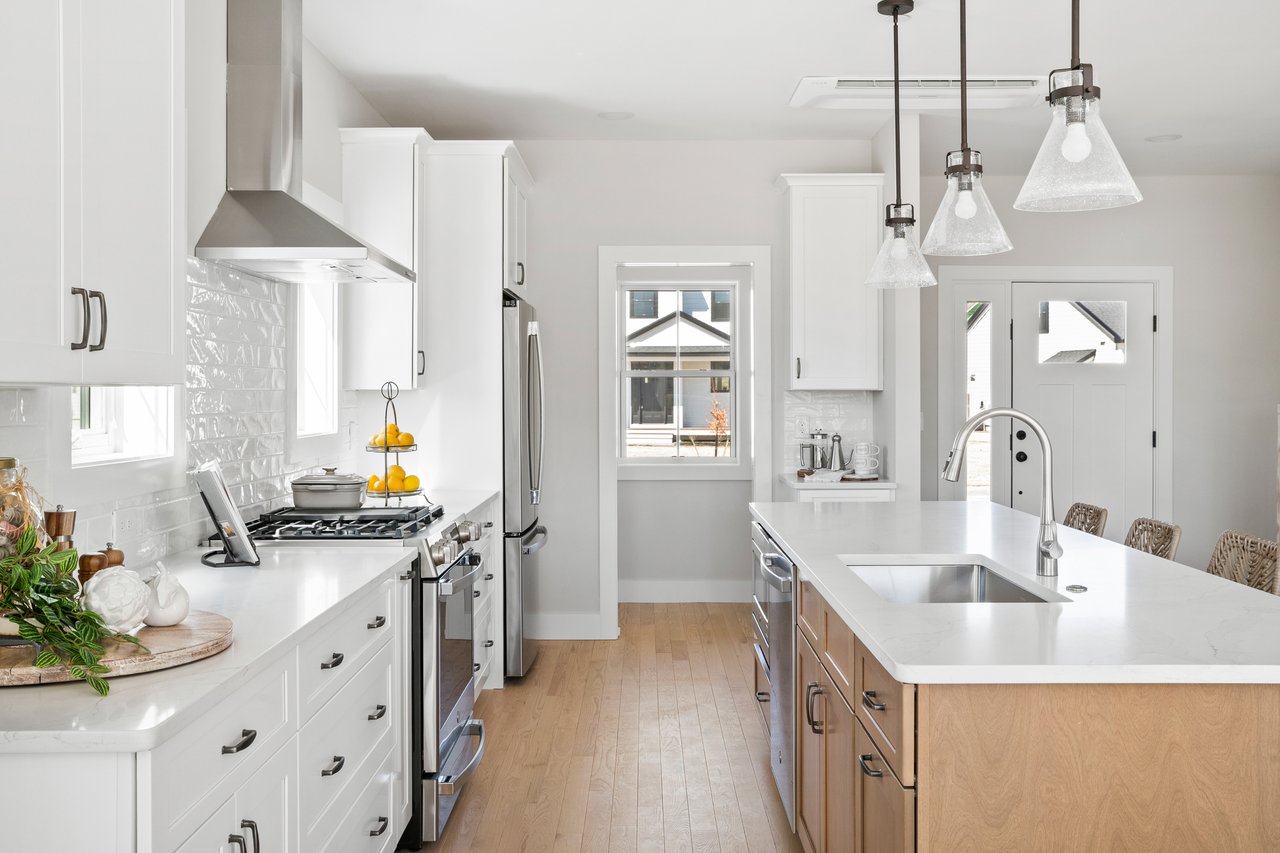
• a completed home ready for closing
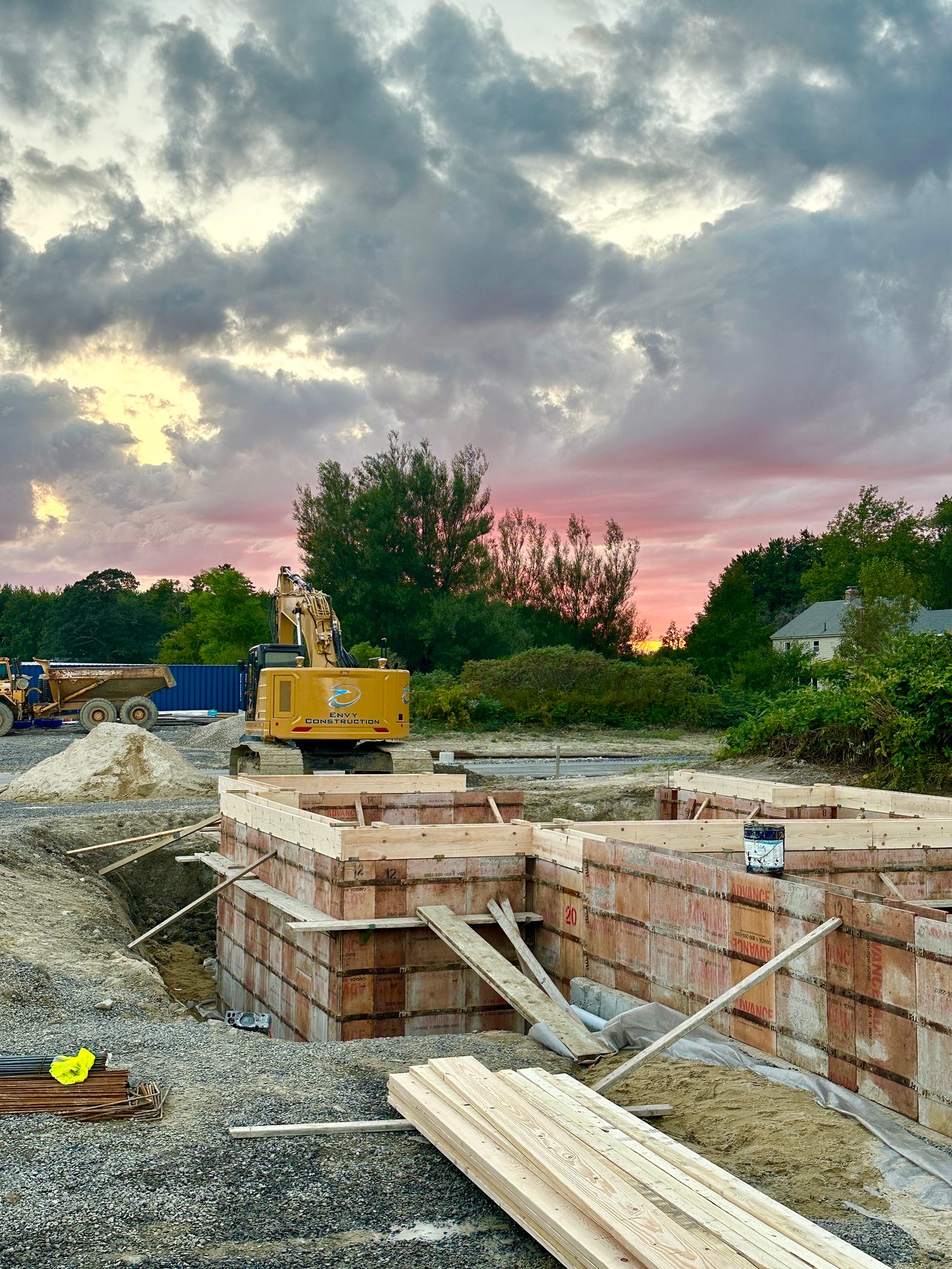
• a home under construction with time left to choose some finishes
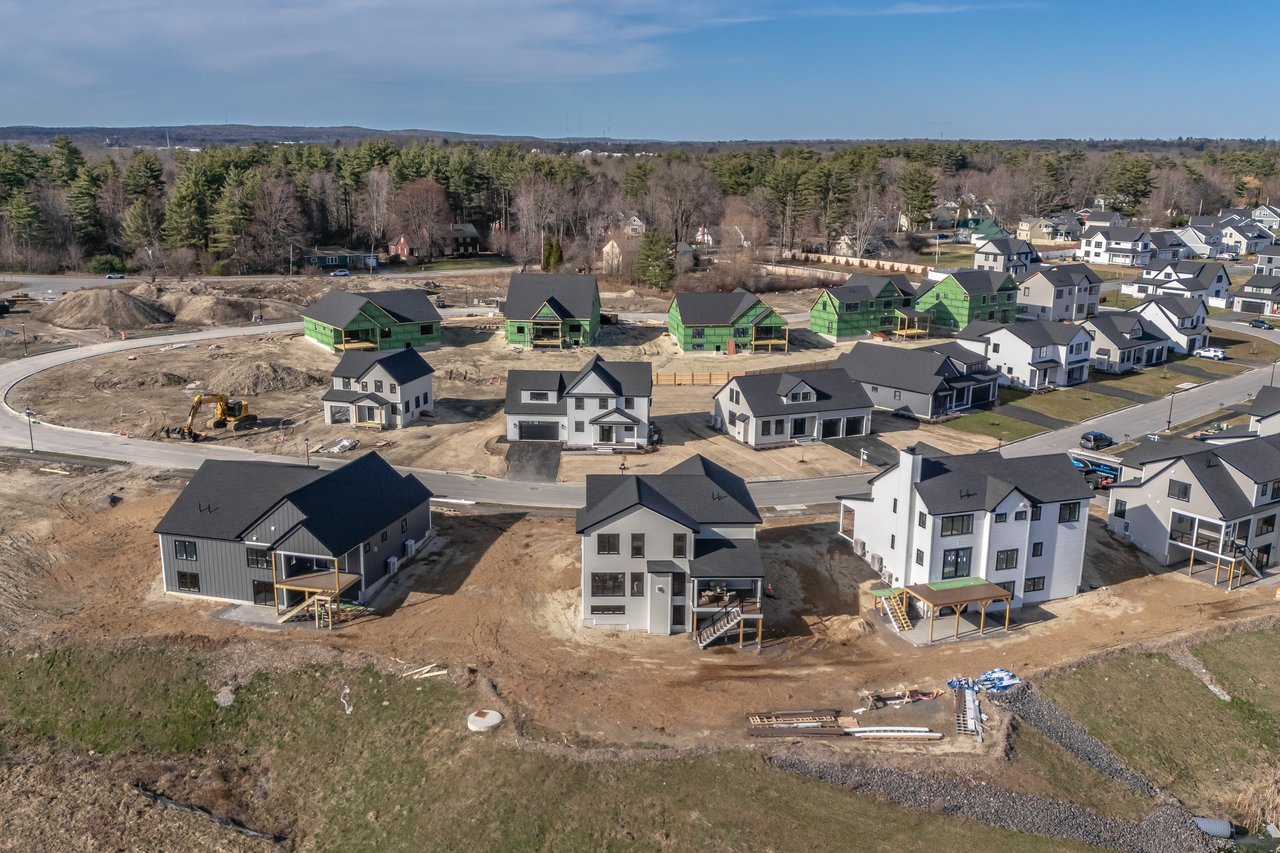
• a planned development that will be built in phases
• a condo or condo-style community
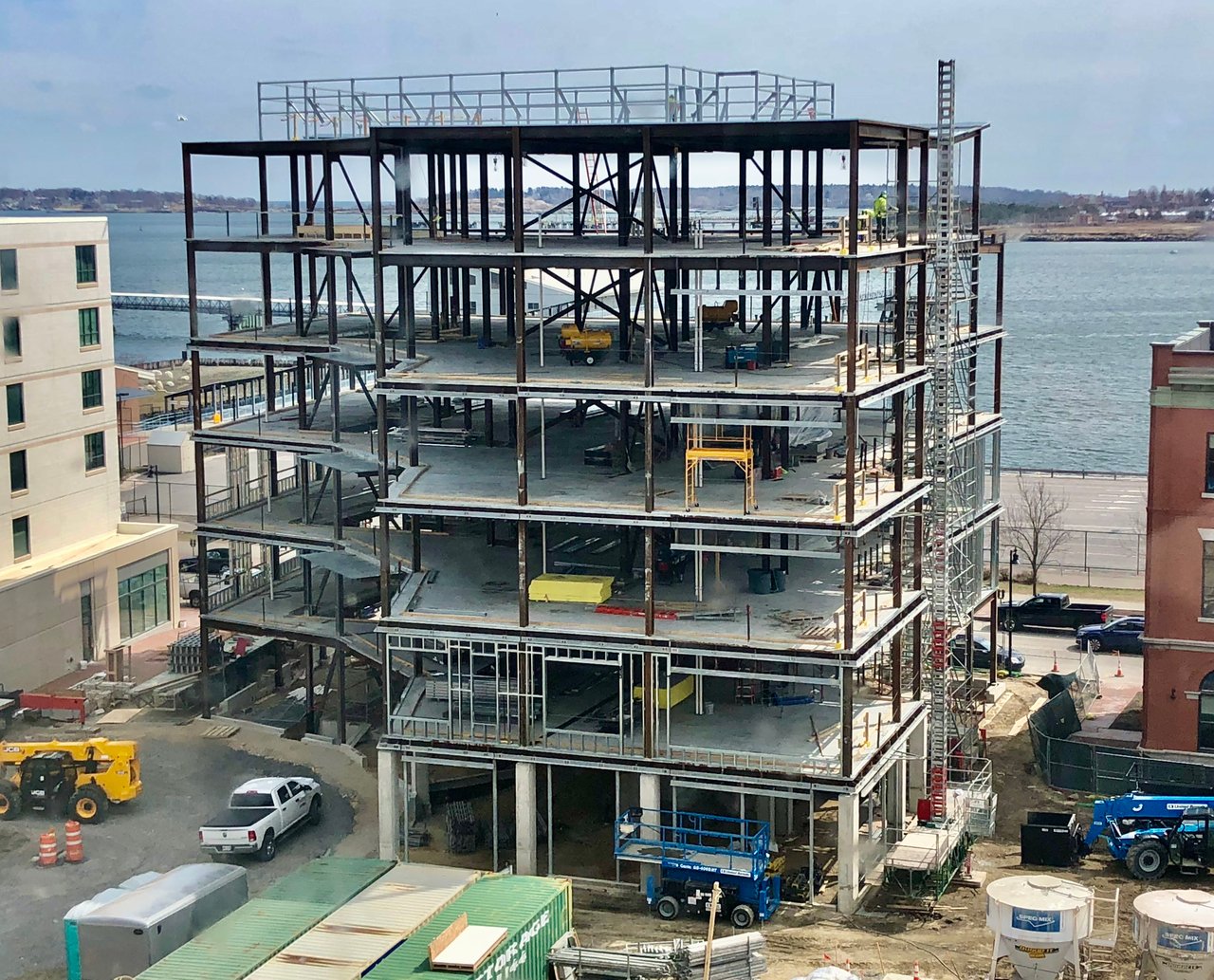
• a redevelopment project with shared infrastructure or common areas
That variety is part of what makes this market interesting, but it is also why buyers need to slow down and understand exactly what they are buying. A beautiful render or a clean brochure does not tell the whole story.
The First Question I Ask Buyers
Before we talk about finishes, floor plans, or upgrades, I always want to know one thing: what stage is this project really in?
That single question changes everything.
A finished home usually offers the cleanest path to closing. A home that is still being built may come with selection deadlines, change orders, and construction timing risks. A redevelopment project may involve infrastructure, shared elements, or neighboring work that continues after you move in.
The more clearly you understand the status of the project, the better decisions you can make.
Why Builder Vetting Matters
In new construction, you are not just buying a home — you are also buying into a builder’s process, communication style, and track record. In Maine, many contractors are not licensed or regulated by the state, which makes due diligence even more important. That is why I always encourage buyers to do their homework or work with an agent who truly understands new construction.
I always encourage buyers to vet the builder carefully. Ask:
• How long have they been building in Maine?
• What types of projects have they completed?
• How do they handle timelines and delays?
• How do they document changes?
• What kind of warranty do they provide?
• How responsive are they after closing?
A good builder should be able to answer those questions clearly and confidently. If the answers are vague, inconsistent, or hard to verify, that is a red flag.
After two decades in this business, I have learned that a beautiful house is not enough. The process behind it matters just as much.
Maine Contract Rules You Should Know
One of the biggest advantages of buying new construction is that you can often see the process laid out in writing. In Maine, home construction contracts over $3,000 generally must be in writing and signed by both parties. The contract should include important details such as:
• the names of the parties
• the property location
• the start and completion dates
• the total contract price
• the payment method
• the scope of work
• warranty information
That written framework gives buyers a much clearer understanding of what they are agreeing to.
Maine law also limits the initial down payment to no more than one-third of the contract price unless that protection is waived in writing. That is an important safeguard for buyers, especially when a project is being delivered in stages.
Another important rule involves change orders. If the scope changes and the price changes, that change should be documented in writing and signed by both parties.
That matters because the starting price is not always the final price.
How Change Orders Affect Your Budget
This is one area where buyers can get surprised if they are not careful.
Maybe you decide to upgrade flooring, add built-ins, change cabinet finishes, finish the basement, or adjust a layout detail. Those choices can improve the home, but they can also affect your budget quickly.
That is why I always tell buyers to track every upgrade, allowance, and revision in writing. If something changes the price, make sure it is documented before you move forward.
A written record protects everyone. It helps you understand:
• what you approved
• how the price changed
• what is included
• what still needs to be completed
In new construction, clarity is control.
Permits and Approvals Matter
In the Greater Portland Maine Area, local permitting and land-use approvals can shape the whole project. Depending on the town and the type of development, there may be review by code enforcement, planning boards, subdivision approvals, site-plan review, or other municipal processes.
That is especially important if the project is part of a larger development or a phased build. I always advise buyers to confirm:
• what approvals are already in place
• what is still pending
• whether any phases are not yet started
• whether the project could change before completion
You want to know whether the home you are buying is part of a fully approved project or one that is still moving through the process.
Timing Is Everything
Timing is one of the biggest stress points in a new-construction purchase.
If you are trying to line up a lease end, a school move, a home sale, or a relocation, you need to build in room for the realities of construction. Even well-run projects can be affected by weather, materials, subcontractor schedules, inspections, or permit issues.
I always tell buyers to plan with a cushion whenever possible.
Maine law also recognizes that start and completion dates can change if work cannot begin or finish because of circumstances beyond the contractor’s control, such as material shortages or a job site that is not ready. That does not mean every project will run late, but it does mean flexibility is part of the process.
Inspections Still Matter
A municipal inspection is important, but it is not the same as your own independent due diligence.
City and town inspections are there to confirm code compliance. They do not replace the value of having your own professional review of the property, especially if the home is newly completed or still in progress.
If I am working with a buyer on new construction, I often recommend thinking through what additional inspections or evaluations might make sense before closing. That may be especially helpful if there are punch-list items, grading concerns, or questions about how a system was installed.
The goal is not to second-guess everything. The goal is to buy with your eyes open.
Site Conditions Deserve Attention
One thing I have learned over years of working in the Greater Portland area is that site conditions matter a lot more than many buyers expect.
Depending on the location, you may want to ask about:
• grading and drainage
• stormwater management
• slope or hillside conditions
• nearby wetlands
• flood hazard areas
• shoreland-zoning considerations
• tree clearing or site disturbance
• neighboring construction activity
These are not small details. They can affect how a property functions, how it feels to live there, and what kind of maintenance or limitations you may face later.
If the home is in a coastal or wooded setting, I pay especially close attention to these questions.
Condo Buyers Need a Separate Lens
Not every new-construction opportunity is a single-family home. In some cases, buyers are looking at condos or condo-style homes.
That can be a great option, but it comes with a different set of documents and protections. Maine condominium law includes implied warranties in certain situations, including that the unit and common elements are suitable for ordinary use and built in a workmanlike manner.
That said, condo purchases still deserve close review. You should look carefully at:
• the condo documents
• common-element responsibilities
• association rules
• reserve planning
• shared maintenance obligations
• how the project is structured
When you buy a condo, you are not just buying the unit. You are buying into a system.
New Construction Versus Resale
Many buyers ask me whether new construction is better than resale. The honest answer is: it depends on your goals.
A resale home may come with more established landscaping, a known neighborhood, and a clearer sense of what you are getting. Maine resale sellers also have disclosure obligations about things like water supply, heating, waste disposal, hazardous materials, flood hazards, shoreland-zoning proceedings, and known defects.
New construction shifts the focus somewhere else. You are evaluating:
• the builder
• the contract
• the schedule
• the approvals
• the quality of the work in progress
• the structure of the purchase
There is no one right answer for every buyer. The right choice is the one that fits your budget, timeline, and comfort level.
My New Construction Checklist for Buyers
If I were sitting down with you to talk through a new construction purchase in the Greater Portland Maine Area, these are the essentials I would want you to review:
• Confirm whether the home is finished, under construction, or part of a phased project
• Verify the status of permits and approvals
• Review the builder’s reputation and track record
• Read the contract carefully before signing
• Make sure deposits, allowances, and upgrades are documented
• Track change orders in writing
• Ask about expected completion timing
• Understand what the town’s inspections cover
• Ask about drainage, slope, flood concerns, and nearby development
• Review condo documents carefully if applicable
This is the kind of checklist that can save a buyer time, money, and stress.
Why Local Experience Helps
New construction in the Greater Portland Maine Area can be a great opportunity, but it is rarely a plug-and-play purchase. Every town, builder, and project has its own rhythm.
That is why local experience matters.
I have seen how much smoother things go when buyers understand the process early. The best outcomes usually come from asking good questions, keeping everything in writing, and staying ahead of problems before they become expensive surprises.
If you are considering a new home in the Greater Portland Maine Area or the Sebago Lakes Region, I would be happy to help you sort through the details and make a plan that fits your goals.
FAQs
What counts as new construction in the Greater Portland Maine Area?
New construction may include a completed home, a home that is still being built, or a unit in a larger development or redevelopment project.
What should I check before buying a new home?
You should confirm the project status, permits, approvals, builder reputation, contract terms, timeline, and any site-specific concerns like drainage or flood risk.
Do town inspections protect me as a buyer?
Town inspections help confirm code compliance, but they do not replace your own due diligence or professional review before closing.
How do change orders work?
If a change affects the contract price, it should be documented in a written change order signed by both parties.
What is the down payment rule in Maine?
Maine generally limits the initial down payment on a home construction contract to no more than one-third of the contract price unless that protection is waived in writing.
Are condo buyers protected differently?
Yes. Maine condominium law provides certain implied warranties for units and common elements, but buyers should still review the condo documents carefully.
Final Thoughts
Buying new construction can be exciting, but it should also be handled thoughtfully. The more you understand about the builder, the contract, the approvals, and the site itself, the more confident you can feel about your purchase.
If you are exploring new construction in Maine, take your time, ask the right questions, and make sure the process is working for you.